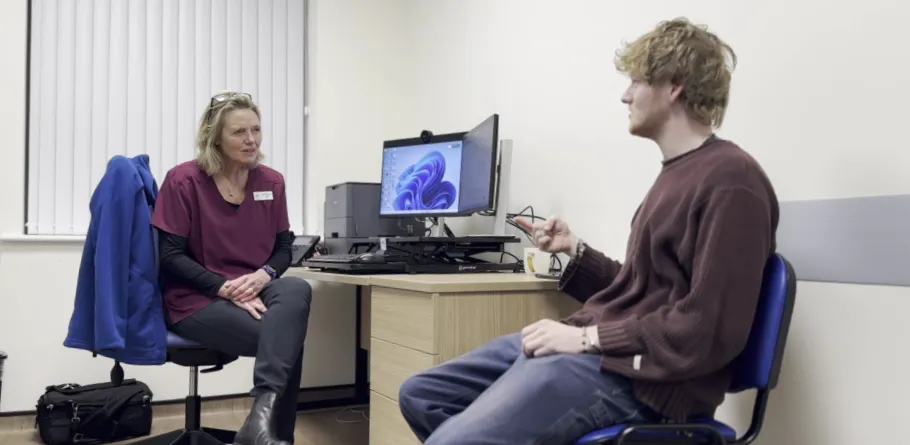
The short answer: describe your pain using the eight things doctors are trained to ask about, known as SOCRATES: Site, Onset, Character, Radiation, Associations, Time course, Exacerbating and relieving factors, and Severity.
Pain is hard to put into words, especially in a short appointment. Knowing the questions your doctor is likely to ask means you can have the answers ready.
What is SOCRATES?
SOCRATES is a checklist taught in UK medical schools, including the University of Dundee, for taking a history of pain. Each letter is a question that helps a clinician understand what kind of pain it is. You don't need any medical knowledge to use it.
The eight questions
S: Site. Where is it? Be specific. "Behind my right eye" beats "my head".
O: Onset. When did it start? Suddenly or gradually? What were you doing?
C: Character. What does it feel like? Sharp, stabbing, dull, aching, throbbing, burning, tingling, tight or cramping. Or in your own words: "like a tight band around my head".
R: Radiation. Does it spread? For example, from your lower back down one leg.
A: Associations. Does anything come with it, like nausea, sensitivity to light, dizziness or tiredness? Mention it even if it seems unrelated.
T: Time course. Is it constant or does it come and go? How long does it last? Is it getting better or worse over weeks? This is the hardest one to recall on the spot, and where a symptom diary helps most.
E: Exacerbating and relieving factors. What makes it worse or better? Movement, rest, sleep, stress, screens, medication. What didn't help is useful too.
S: Severity. How bad is it, from 0 (none) to 10 (worst imaginable)? Give your usual and worst levels, and say what the number means: "At a 7 I have to stop work."
The same questions work for other symptoms too, like fatigue, dizziness or itching. Oxford Medical Education sets out the same checklist for clinicians.
Putting it together
Here's how one person might describe a recurring headache:
"It's behind my right eye and goes into my neck. It started late last year and is now three or four days a week. It's throbbing, like pressure. Light bothers me and sometimes I feel sick. It comes on in the afternoon and lasts hours. Screens and stress make it worse, a dark room helps, and ibuprofen only takes the edge off. Usually a 6, up to a 9, and on those days I leave work."
That takes under a minute to say, and answers almost everything a GP would ask. Pair it with our guide to preparing for a GP appointment.
Where Yarn fits
SOCRATES is part of how Yarn works.
Yarn is a health diary for people living with long-term conditions. When you record how you feel, in your own words by voice note or a few typed lines, Yarn asks gentle follow-up questions shaped by SOCRATES, like where you feel it or what made it better. You don't need to remember the letters. You just answer naturally.
Your entries come together in a timeline, and before an appointment Yarn helps you prepare a summary organised in a way your doctor will recognise.
Yarn uses AI to help organise what you record. It doesn't diagnose conditions or give medical advice, and you review your summary before sharing it.
Explore the demo to see an example appointment summary, no account needed. Yarn is coming to iOS and Android in November 2026. Join the waitlist to hear when it's ready.
If you have sudden severe pain, chest pain, or pain with weakness, confusion or difficulty breathing, call 999. If you're unsure, use NHS 111.
About Yarn. Yarn is a health diary that helps people living with long-term conditions record their health in their own words, revisit their entries and prepare for appointments. It was started by five design engineers who met at Imperial College London and is built with people managing long-term conditions and the clinicians who care for them. Yarn does not diagnose conditions or replace medical advice.
Frequently asked questions
What does SOCRATES stand for in pain assessment?
Site, Onset, Character, Radiation, Associations, Time course, Exacerbating and relieving factors, and Severity. It is a checklist clinicians use to build a full picture of a patient's pain.
How do I describe the type of pain I have?
Use words like sharp, stabbing, dull, aching, throbbing, burning, tingling, tight or cramping. If none fit, describe it in your own way, such as 'like a tight band around my head'.
How do I rate my pain from 0 to 10?
0 is no pain and 10 is the worst you can imagine. Give your usual and worst levels, and say what the number means for your day, such as 'at a 7 I have to stop work'.
What is Yarn?
Yarn is a health diary for people living with long-term conditions. You record how you feel in your own words, look back over your entries, and prepare a summary before appointments. Yarn's follow-up questions draw on the SOCRATES framework clinicians use. Yarn does not diagnose conditions or give medical advice.
Sources
This article is for informational purposes only and does not constitute medical advice, diagnosis, or treatment. Always consult your GP or another qualified healthcare professional with any questions about your health or symptoms.
← All postsMore from Yarn
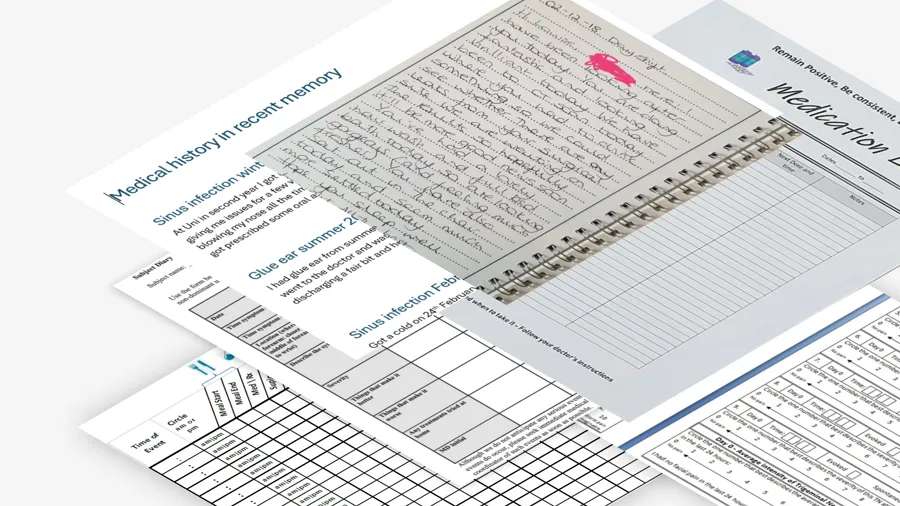
How to keep a symptom diary (with a free template)
What to record in a symptom diary, how often to write in it, and a free template to track a long-term condition between appointments.
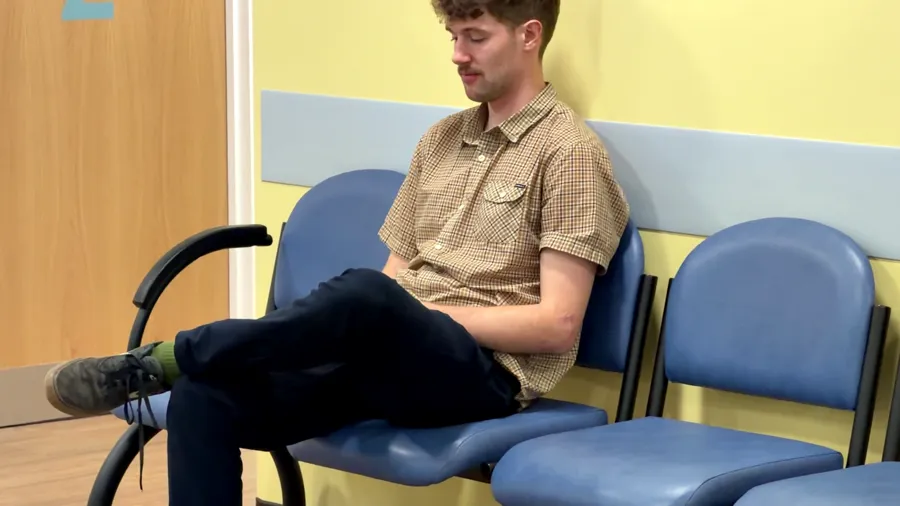
How to prepare for a GP appointment (and make 10 minutes count)
A simple way to prepare for a GP appointment when you live with a long-term condition: what to note down, what to ask, and what to bring.