
The short answer: before a GP appointment, write down your main concern, a short record of your symptoms (when, how bad, what helps), your current medication and two or three questions. Say the most important thing first.
That's simple on paper. It's harder when you live with a long-term condition and the weeks between appointments blur together.
Why preparing matters
The appointment is short. Your life between appointments is long.
A standard GP slot is 10 minutes, and a Cambridge University study of 67 countries found UK patients spend just over nine minutes with their GP on average.
You're far from alone in needing that time to count. National Voices estimates around 25 million people in England live with at least one long-term condition, and 13.4 million with two or more.
What to write down
- Your main concern. One or two sentences.
- What's been happening. When it started, how often, and whether anything has changed.
- How bad it gets. A 0 to 10 score, or its effect: "I had to leave work early."
- What makes it better or worse. Sleep, food, stress, activity, medication.
- How it affects your life. Work, sleep, cancelled plans.
- Your questions. Two or three is plenty.
This matches NHS guidance for people with long-term conditions: note your symptoms, plan your questions and write it all down before you go. If you're not sure how to record symptoms, our guide to keeping a symptom diary has a free template.
How to fit it into 10 minutes
Lead with what matters most. It's common for the biggest worry to come out just as the appointment ends.
- Main concern: "The thing I most want to talk about is the headaches."
- Short story: "Three or four times a week for a month. Twice I had to leave work."
- What you've tried: "Ibuprofen takes the edge off."
- Your question: "Could it be linked to my sleep?"
If you have more than one concern, say so at the start so your GP can help prioritise. If pain is part of it, the SOCRATES method gives you a clear way to describe it.
What to bring
- Your notes, or a summary
- A list of your medication, including supplements
- Any recent letters or results
- Someone to come with you, if it helps. NHS advice suggests sharing your notes with them first.
Before you leave, check the next step: a test, a referral, or when to come back. Afterwards, jot down what was discussed. It's the first thing you'll want next time.
The hard part: remembering
All of this relies on knowing how you've been. By the time the appointment comes round, the bad afternoon three weeks ago has faded. A line written that evening, like "headache got worse after lunch, had to leave work early", tells your GP far more than a memory pieced together in the waiting room.
Where Yarn fits
We built Yarn for this gap between appointments.
Yarn is a health diary for people living with long-term conditions. You record how you feel in your own words, with a voice note or a few typed lines. Yarn keeps your entries in a timeline so you can see what's changed, and before an appointment it helps you prepare a summary and the questions you want to ask.
Yarn uses AI to help organise what you record. It doesn't diagnose conditions or give medical advice, and you review your summary before sharing it.
Explore the demo, no account needed. Yarn is coming to iOS and Android in November 2026. Join the waitlist to hear when it's ready.
If your symptoms are severe, sudden or getting worse quickly, don't wait for a routine appointment. Use NHS 111, or call 999 in an emergency.
About Yarn. Yarn is a health diary that helps people living with long-term conditions record their health in their own words, revisit their entries and prepare for appointments. It was started by five design engineers who met at Imperial College London and is built with people managing long-term conditions and the clinicians who care for them. Yarn does not diagnose conditions or replace medical advice.
Frequently asked questions
How long is a GP appointment in the UK?
A standard GP appointment in the UK is usually a 10 minute slot. A Cambridge University study of 67 countries found UK patients spend just over nine minutes with their GP on average.
What should I write down before seeing my GP?
Your main concern, when symptoms started and how often they happen, how bad they get, what makes them better or worse, how they affect your day, your current medication, and two or three questions.
Can I bring notes to my GP appointment?
Yes. NHS guidance encourages writing things down before you go, and taking notes during the appointment.
What is Yarn?
Yarn is a health diary for people living with long-term conditions. You record how you feel in your own words, look back over your entries, and prepare a summary and questions before an appointment. Yarn does not diagnose conditions or give medical advice.
Sources
- Irving G et al. International variations in primary care physician consultation time: a systematic review of 67 countries. BMJ Open, 2017
- The Pharmaceutical Journal: UK has shortest GP consultations in Europe, study finds
- National Voices: An opportunity for change, centring outcomes on patient experience
- NHS Bristol, North Somerset and South Gloucestershire ICB: Getting the best from an appointment
This article is for informational purposes only and does not constitute medical advice, diagnosis, or treatment. Always consult your GP or another qualified healthcare professional with any questions about your health or symptoms.
← All postsMore from Yarn
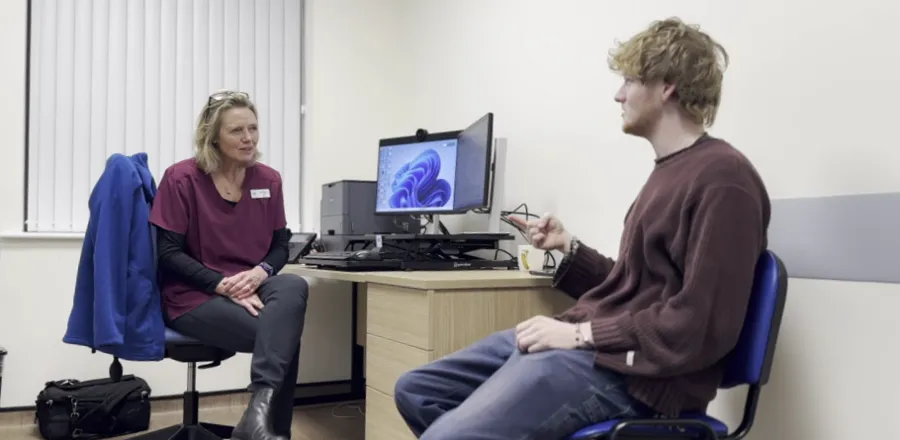
How to describe pain to your doctor: the SOCRATES method explained
Doctors use the SOCRATES framework to understand pain. Here's what each letter means, and how to use it to describe your own pain clearly.
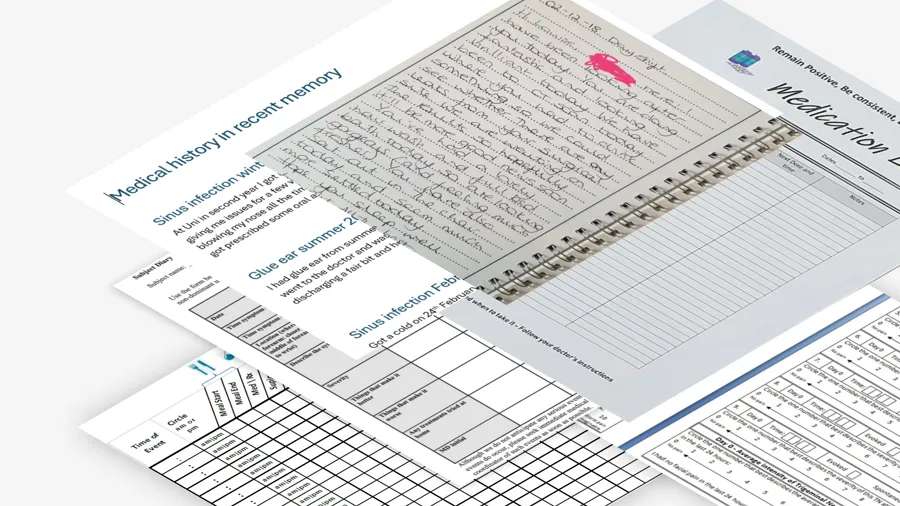
How to keep a symptom diary (with a free template)
What to record in a symptom diary, how often to write in it, and a free template to track a long-term condition between appointments.